What If Franchise Ownership Got You Out of the Office for Good?

Article Summary
It's rarely just about money. Advancement plateaus, reorganizations reset progress, and the decisions that matter most get made above them. Franchising offers a structured path to real ownership: nearly a third of franchisees say they'd never have owned a business without a franchise system behind them, and about two-thirds were first-time owners.
No. Gallup finds the desire to own a business is nearly universal, and the real barrier isn't confidence or capital, it's knowledge: how to sign a commercial lease, build a staffing model, or open a location from scratch. Franchising exists specifically to fill that gap, with formal onboarding, documented procedures, and dedicated field support built into the system.
No, and that's the actual point of the model. Franchisors provide ongoing training and operational support as a core part of the system, not an add-on, which is a major reason franchised businesses tend to survive their early years at higher rates than independent startups, where roughly half don't reach year five.
Hands-on. You're the operator: you hire the team, set the tone, and answer for the results. What changes is that you're running a business model that's already been figured out, membership-based recurring revenue, proven service systems, established brand awareness, instead of inventing one while you learn it.
Hammer & Nails is the established national franchisor, the brand, the service model, and the national training and marketing systems. SummitView is the Texas development platform building locations across the state, providing ground-level market knowledge, like site selection, buildout costs, and staffing, that a first-time owner can't get anywhere else.
Why more professionals are trading corporate careers for franchise ownership in 2026, and why building your own business no longer means building it alone.
There is a particular kind of Sunday evening that a lot of successful people know well. The work is fine. The compensation is fine. And underneath it sits a quiet question that never quite goes away: is this it? For a growing number of professionals, the answer in 2026 is to stop asking and start owning. As one recent franchise industry outlook observed, corporate workforce displacement keeps pushing experienced people toward business ownership, and franchising remains the lowest-risk on-ramp for capable first-timers who have capital but not a lifetime of operating scars. This is no longer a fringe move. Franchise-development professionals now describe the corporate-to-franchise pipeline as one of the fastest-growing segments of franchise buyers.
The Real Reason People Leave
It is rarely just the money. Professionals reach a point where advancement slows no matter how well they perform, where reorganizations reset their progress, and where the decisions that matter most are made a few levels above them. As Forbes reported this year, ownership offers a different arrangement: instead of a salary tied to someone else's company, you participate directly in the value you build, and the improvements you make show up in both your income and the eventual worth of the asset itself. Franchising has been a real wealth path, not a slogan. An International Franchise Association study found that nearly a third of franchisees say they would never have owned a business at all without a franchise system behind them, and roughly two-thirds were first-time owners.
The Trap Hiding Inside “Be Your Own Boss”
Here is the part the brochures skip. Buying a franchise is not buying a business in a box. It is a structured partnership: you bring the capital and the execution, the brand brings the system, and you still own the local results. As the franchise advisory firm FranChoice cautions, doing this without real support can mean trading one boss for a harder one, signing the leases, carrying the personal guarantees, and becoming the person every problem rolls up to at 7 a.m. The honest question is not whether you hate your job. It is whether you want to be accountable for the entire result in exchange for building something that is finally yours. But there is a difference between carrying that responsibility and carrying it alone, and that difference is the whole reason franchising exists.
You Do Not Need to Have Done This Before
If wanting ownership were the hard part, far more people would own something. Gallup finds the desire to be one's own boss is widely held across the country, and a 2026 Intuit QuickBooks survey found that one in three U.S. adults plan to start a business or side venture within the year, a sharp jump from the year before. The wish is nearly universal. What stops people is everything that comes after the wish.
And the barriers are not mainly financial. Gallup's data is blunt about it: a third of would-be owners say they simply need to learn more about how to start and run a business, and about a quarter are not confident a business of their own would succeed. That is the honest sticking point for most capable professionals. Not nerve, and not capital. Knowledge. They have run departments, closed deals, and managed budgets, but they have never signed a commercial lease, built a staffing model, or opened a location from an empty shell.
This is the exact gap franchising was built to close. Franchise advisors are consistent on the point that prior industry experience is rarely what separates successful owners from struggling ones; work ethic, leadership, and a willingness to follow a proven system matter far more, because the system itself is designed to fill in the operational knowledge a first-time owner does not yet have (Franchise Sidekick). The structure behind that is real and specific. Brands that recruit first-time owners typically run formal onboarding before opening day covering operations, hiring, customer service, and financial management, along with documented procedures, a dedicated coach through the early months, and ongoing field support once the doors are open (industry field-support standards). Ongoing training and operational updates are not a bonus feature of franchising; they are a pillar of the model (FranChoice). It is why franchised businesses tend to show better early-year survival than independent startups, where roughly half do not reach year five (Franchise Sidekick).
You are still the operator. You hire the team, set the tone, and answer for the results. What changes is that you are running a business that has already been figured out, instead of inventing one while you learn it.
Why Men's Grooming, and Why Texas
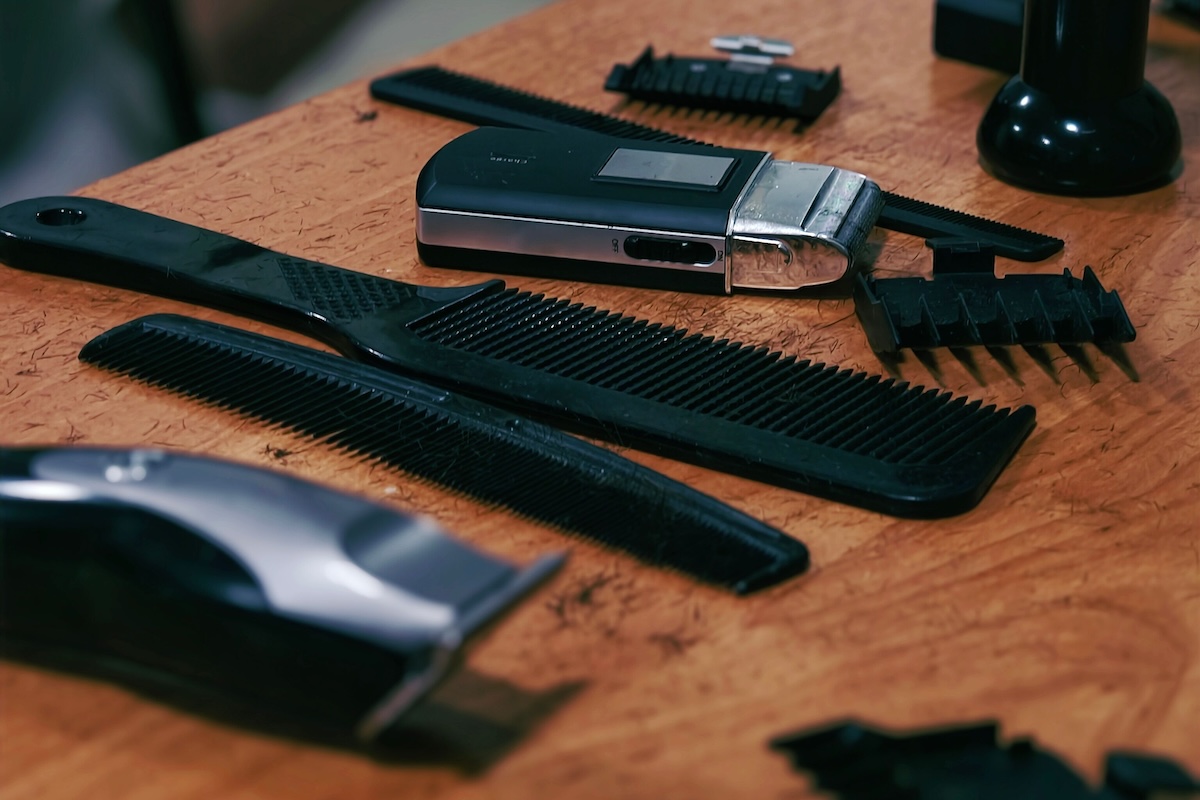
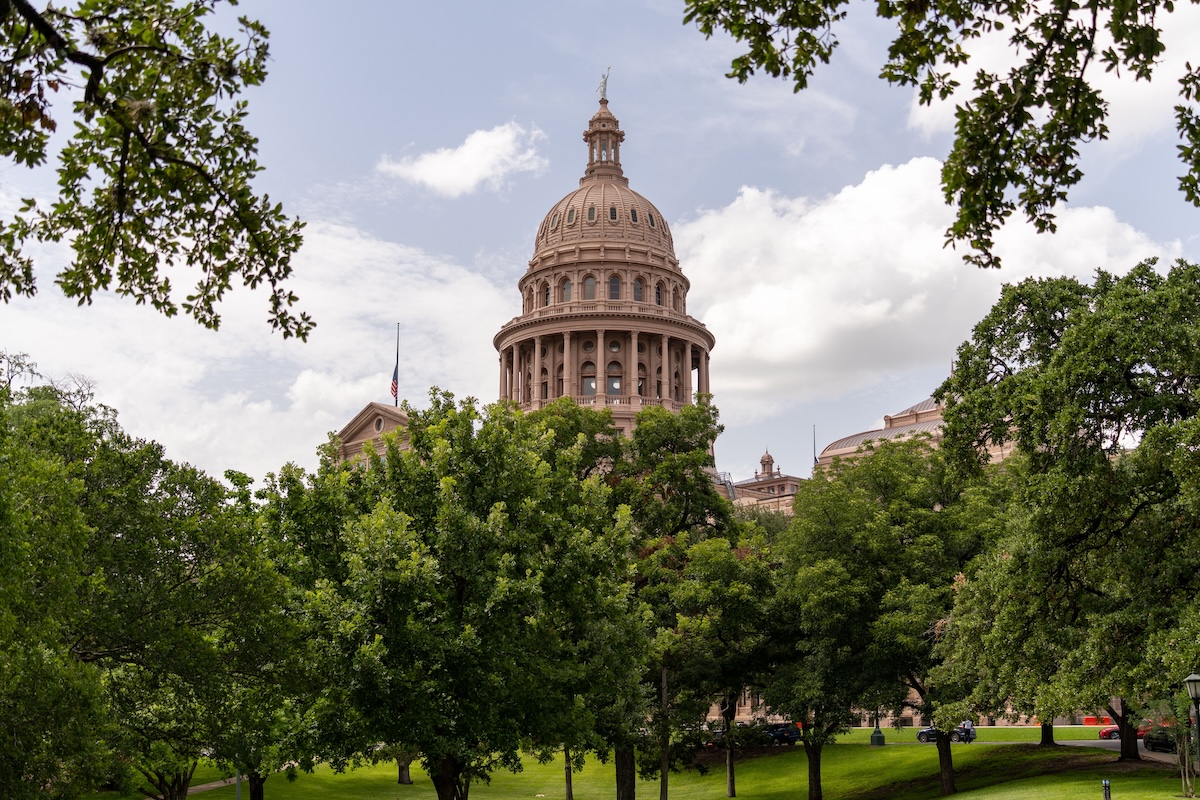
The category matters as much as the system behind it. Consumer spending keeps shifting from products toward services, and personal-care, wellness, and other membership-driven categories are growing faster than traditional retail or food. That is exactly where Hammer & Nails Grooming Shop for Guys sits: a premium men's grooming concept built on precision haircuts, hot-towel shaves, hand and foot treatments, and a lounge experience, with a membership model that turns one-time visits into predictable, recurring monthly revenue. For a first-time owner, recurring revenue is not a talking point. It is the difference between guessing at next month and knowing roughly what it looks like. The real estate math works in your favor too. As big-box stores give up space, landlords increasingly favor service tenants whose customers return on a schedule and cannot be replaced by a website, which gives established, well-capitalized operators priority access to strong locations and better lease terms. Texas is the arena. There are currently nine Hammer & Nails locations in the state, six open and three more expected to open in 2026 under the company's current franchise disclosures, with room to build density across major metros and secondary markets where premium men's grooming barely exists yet.
A National System, and a Partner in Texas
Here is what “not going alone” actually looks like in this brand, and it is worth keeping two things straight. Hammer & Nails is the established national franchisor, an operating brand with a growing system and rising unit volumes, not a startup concept. It brings what a national system is supposed to bring: the brand itself, the service model, initial and ongoing training, membership and technology platforms, marketing frameworks, vendor relationships, and the accumulated lessons of every location that opened before yours. Operating under a recognized brand also means you are not building awareness from zero, which is one of the sharpest practical differences between franchising and going independent (franchise support standards).
SummitView is the Texas piece. As the state's development platform for the brand, SummitView is building locations across Texas and knows the market at ground level, which is the knowledge a first-time owner cannot buy anywhere else: which trade areas support a premium men's grooming price point, what the buildout should actually cost here, which vendors and contractors deliver, how to staff and train barbers and technicians in this labor market, and what the membership ramp realistically looks like in the first year. That experience is available to Texas owners as a resource, not a substitute. You run your shop. SummitView is the phone call that keeps you from learning an expensive lesson twice.
The combination is the point. A national brand supplies the playbook. A Texas partner who has already run that playbook in this state helps you execute it. And you still own the business, make the calls, and keep what you build.
The Real Question
The Sunday-evening question does not get answered by another promotion. It gets answered by ownership: the kind that builds equity you keep, on a schedule you control, without becoming the very thing you were trying to escape. The professionals making this move in 2026 are not gambling on a logo. They are choosing a proven category, a recurring-revenue model, and a support structure that reaches from a national brand all the way down to the Texas market they will operate in. If that is the version of “out of the office” you have been picturing, it is worth a conversation.
To learn more, visit summitviewtexas.com.
•••••
Sources
Gallup, Desire to Be Own Boss Widely Held in U.S.
Intuit QuickBooks, 2026 Entrepreneurship Trends.
Franchise Sidekick, You Don't Need Business Experience to Buy a Franchise.
1851 Franchise, Field Support: Training, Opening and the First 90 Days.
FranChoice, Support for Franchise Owners.
FranChoice, Leaving Corporate for a Franchise.
L'Express Franchise, Best Franchises to Own for Beginners (with IFA industry data).
Forbes, Why More Professionals Are Leaving Corporate Careers to Buy a Business.
International Franchise Association, The Value of Franchising (reported by FranchiseWire).
Zoom Room, Franchise Industry Outlook 2026.
Fully Promoted, Franchise Opportunities for Professionals Leaving Corporate America (Challenger, Gray & Christmas data).
Retail sector, reporting from JLL and Retail Dive, with Hammer & Nails and H&N Texas franchise disclosures.
Comprehensive Summary
Why are professionals leaving corporate careers to own franchises in 2026?
- It's rarely just the money: professionals hit a point where advancement slows regardless of performance, reorganizations reset their progress, and the decisions that matter most are made a few levels above them, pushing many toward ownership as the one lever fully in their control.
- Ownership changes the underlying arrangement: instead of a salary tied to someone else's company, the owner participates directly in the value they build, and every improvement shows up in both income and the growing worth of the asset itself.
- The data backs the shift: an International Franchise Association study found nearly a third of franchisees say they'd never have owned a business at all without a franchise system behind them, and roughly two-thirds were first-time owners.
- The pipeline is accelerating, not fading: franchise-development professionals now describe the corporate-to-franchise pipeline as one of the fastest-growing segments of franchise buyers, tied directly to continued corporate workforce displacement.
Do I need business experience to buy a franchise?
- The desire is nearly universal: Gallup finds that the wish to be one's own boss is widely held across the country, meaning wanting ownership was never really the hard part.
- The real barrier is knowledge, not nerve or capital: about a third of would-be owners say they simply need to learn more about how to start and run a business, and roughly a quarter aren't confident a business of their own would succeed.
- That gap is exactly what franchising was built to close: franchise advisors are consistent that prior industry experience rarely separates successful owners from struggling ones; work ethic, leadership, and a willingness to follow a proven system matter far more.
- The support structure is concrete, not just a promise: brands recruiting first-time owners typically run formal onboarding before opening day, covering operations, hiring, customer service, and financial management, backed by documented procedures and a dedicated coach through the early months.
Does owning a franchise mean I'm on my own once I sign?
- Ongoing support is a pillar of the model, not an add-on: continued training and operational updates are built into how franchising works, not a bonus feature reserved for struggling locations.
- Field support continues after opening day: brands provide ongoing coaching and field support once the doors are open, not just a training period that ends the week you launch.
- This structural support shows up in the numbers: franchised businesses tend to show better early-year survival than independent startups, where roughly half do not reach year five.
- Brand awareness comes with the system: operating under a recognized name means not building customer awareness from zero, one of the sharpest practical advantages franchising holds over going independent.
What kind of ownership does Hammer & Nails require, hands-on or passive?
- Hands-on, by design: the owner hires the team, sets the tone, and is accountable for the results, this is not a passive investment structure.
- What changes is the starting point, not the responsibility: owners are running a business model that's already been figured out, membership-based recurring revenue, proven service systems, and established brand awareness, rather than inventing one while learning it.
- Recurring revenue supports predictable decision-making: a membership model turning one-time visits into monthly revenue gives a first-time owner something concrete to plan around, rather than guessing at next month.
- The category itself is favorably positioned: consumer spending is shifting from products toward services, with personal-care and membership-driven categories growing faster than traditional retail or food.
What's the difference between Hammer & Nails and SummitView?
- Hammer & Nails is the national franchisor: it supplies the brand, the service model, initial and ongoing training, membership and technology platforms, marketing frameworks, and vendor relationships.
- SummitView is the Texas development platform: it builds locations across the state and holds ground-level market knowledge a first-time owner can't get anywhere else.
- That local knowledge is specific and practical: which trade areas support premium pricing, realistic buildout costs, reliable vendors and contractors, staffing in the local labor market, and what a first-year membership ramp actually looks like.
- The relationship is a resource, not a substitute: the owner runs their shop; SummitView is the experienced partner that helps avoid learning an expensive lesson twice.
Where is Hammer & Nails expanding in Texas right now?
- Current footprint: nine Hammer & Nails locations exist in Texas today, six open and three more expected to open in 2026.
- Room to build density: expansion targets both major metros and secondary markets where premium men's grooming has little to no established competition yet.
- Real estate trends favor the timing: as big-box retailers give up space, landlords increasingly prioritize service tenants whose customers return on a schedule and can't be replaced by a website.
- Earlier entry generally means more choice: getting in while the platform is still building density typically means better territory selection before markets fill in.